Basement Waterproofing NJ Solutions for Wet Floors and Musty Odors
A wet basement rarely starts as a dramatic flood. More often, it begins with small signs that homeowners put up with for too long. A damp corner behind storage bins. A chalky white residue creeping up the block wall. Cardboard boxes that feel soft on the bottom. Then the smell arrives, that stale, earthy odor that hits you halfway down the stairs and never quite leaves.
In New Jersey, basements take a beating. Older housing stock, heavy seasonal rain, coastal humidity in some areas, and clay-rich soils in others all create the kind of conditions that turn a lower level into a moisture trap. Some homes leak only during major storms. Others stay chronically damp all summer, even without visible water. Both situations matter. Liquid water damages property fast, but persistent moisture can be just as costly over time because it supports mold growth, rots framing, and keeps the entire house feeling unhealthy.
Basement waterproofing is not one product and it is not one universal fix. That is where many homeowners get tripped up. They buy a dehumidifier when the real problem is hydrostatic pressure under the slab. They paint the walls with a waterproof coating when the leak is entering at the cove joint. Or they replace flooring before solving the source, which usually means paying for the same job twice. Effective Basement Waterproofing NJ work starts with diagnosis, not with a sales pitch.
What wet floors and musty odors are really telling you
A wet floor in a basement can come from several places, and they behave differently. Surface water from outside often shows up after heavy rain, especially near one wall or around the base of bulkhead stairs. Groundwater pressure tends to push moisture through cracks, joints, and porous concrete. Condensation forms when warm, humid air meets cool basement surfaces, which is common in summer. Plumbing leaks add another variable, and they are sometimes mistaken for foundation seepage.
Musty odors narrow the field, but they do not point to one single cause. That smell usually means moisture has been present long enough for mold or mildew to colonize wood, drywall paper, carpeting, or stored belongings. Even if you never see standing water, a basement that remains above roughly 60 percent relative humidity can develop that odor. People often describe it as old books, wet concrete, or a damp crawlspace. Once that smell gets into fabric, framing, and insulation, it can migrate upward into the living areas.
One of the more telling scenarios I have seen is the basement that looks dry on a quick walk-through but smells bad every August. Homeowners assume the problem disappeared because they do not see puddles. Then they pull a shelf away from the wall and find black spotting on the drywall or rust on metal storage racks. In those cases, the issue is often poor moisture control rather than obvious leakage, and the solution needs to address humidity as seriously as water entry.
Why New Jersey basements are especially vulnerable
Local conditions matter. In parts of New Jersey, homes sit on soil that drains slowly, which means water lingers near the foundation after storms. In other areas, the water table can be a factor, especially during wet periods. Freeze-thaw cycles also stress foundation walls and widen small cracks over time. Many basements in the state were built decades ago, before current best practices for drainage, vapor control, and foundation waterproofing were standard.
Older homes often have stone or block foundations, and each behaves differently. Block walls can fill with water internally and leak through mortar joints or hollow cores. Stone foundations are durable but irregular, which makes sealing more nuanced. Poured concrete cracks in predictable ways, but those cracks still need to be evaluated for movement, width, and water volume.
The result is that Basement Waterproofing NJ projects tend to be highly specific to the home. The right system for a 1950s ranch in Middlesex County may be completely wrong for a century-old colonial in Essex County or a shore-area property dealing with elevated humidity and stormwater. Homeowners get the best results when the contractor understands both the building and the local moisture patterns.
The first inspection should answer a few practical questions
Before anyone recommends a sump pump, a French drain, or an exterior membrane, the inspection should sort out where the water is coming from and when it appears. A useful assessment usually considers these points:
- Does moisture appear only after rain, or also during humid weather?
- Is the water entering at cracks, wall-floor joints, windows, or utility penetrations?
- Are gutters, downspouts, and grading directing roof runoff away from the house?
- Is the basement finished, partially finished, or used mainly for storage?
- Are there signs of long-term humidity such as rust, mold, or peeling paint?
Those questions may sound basic, but they lead to very different solutions. If a basement is wet only after heavy rain and the downspouts dump water near the foundation, exterior drainage corrections may solve a large part of the problem. If water bubbles up through the floor or leaks consistently where the slab meets the wall, an interior drainage system is often more realistic. If the smell persists in summer without visible seepage, dedicated dehumidification and air sealing may deserve equal attention.
Interior waterproofing systems and where they make sense
Interior systems are common because they are effective, less disruptive than full excavation, and often the best fit for existing homes. That surprises some homeowners. They hear the word waterproofing and assume the fix must be on the outside. Exterior work has its place, but many basement problems are managed very successfully from the interior.
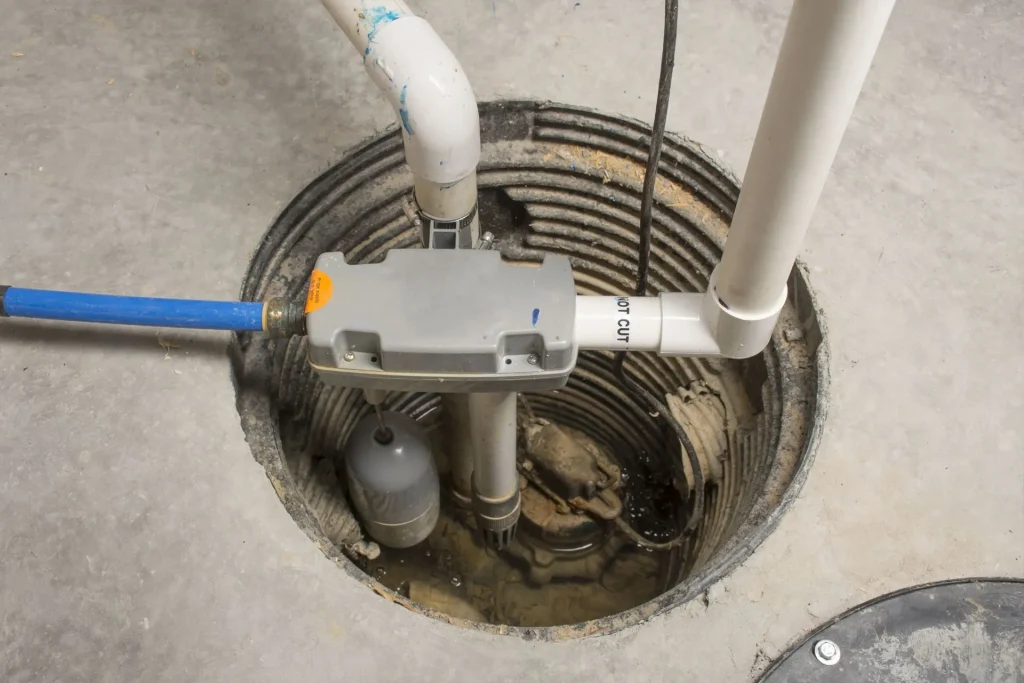
An interior drainage system usually involves opening a narrow trench along the perimeter of the slab, setting a drain channel or perforated pipe in clean stone, and directing collected water to a sump basin. The floor is then restored. When groundwater pressure builds under or around the foundation, the system gives that water a controlled path to the pump instead of allowing it to push through the floor or wall joint.
A sump pump is the heart of that setup. In New Jersey, where storm events can be intense, pump selection matters. A cheap pump might work for a while, but reliability under peak load is what counts. Battery backup is not a luxury in many cases. Storms that bring the most water can also knock out power, and a basement with no backup can flood when the primary pump is needed most. I have seen finished basements suffer five-figure damage because the main pump failed during a summer outage.
Wall vapor barriers are sometimes added with interior systems, especially on block walls. These do not stop the wall from ever getting wet, but they can direct seepage down into the drain system and keep moisture from evaporating into the room. That helps with both visible leaks and musty air. The distinction matters because homeowners sometimes expect an interior system to make the outside of the wall dry. That is not always the goal. The goal is to control water and keep the interior space dry, stable, and usable.
Exterior waterproofing and drainage, the bigger intervention
Exterior waterproofing is the more invasive route, but sometimes it is the right one. If the foundation wall has major structural cracking, severe lateral water intrusion, failed exterior coatings, or obvious drainage defects against the house, excavation may be justified. Exterior work typically includes digging down to the footing, cleaning the wall, repairing cracks, applying a waterproof membrane, adding drainage board, and installing footing drains if they are missing or compromised.
This approach can be excellent for homes undergoing large foundation repairs or major landscaping projects because access is already part of the plan. It can also be the better long-term solution when exterior conditions are clearly forcing water into the foundation. The trade-off is cost, disruption, and complexity. Excavation can affect patios, walkways, shrubs, fences, and finished outdoor spaces. On tight lots or attached homes, it may not even be practical on all sides.
A professional should be honest about that trade-off. Not every basement needs a backhoe in the yard. Some do, but many do not. Good contractors explain why a less invasive solution will or will not work in your case.
Crack repair, and why not all cracks mean the same thing
A hairline crack in poured concrete is not automatically a structural emergency, but it should never be dismissed if it leaks. Water follows the path of least resistance, and even a narrow crack can carry a surprising amount of moisture under pressure. In many basements, polyurethane or epoxy injection provides a targeted repair. Polyurethane is often used for active leaks because it expands and seals against water movement. Epoxy is more rigid and is usually selected when structural bonding is part of the objective.
The key is proper evaluation. A vertical shrinkage crack may be relatively straightforward. A horizontal crack in a block wall or a stair-step crack in masonry raises bigger concerns about pressure, movement, or settlement. Waterproofing and structural repair sometimes overlap, but they are not the same service. If a wall is bowing or shifting, that needs to be addressed directly, not hidden behind a moisture-control system.
Homeowners can save themselves trouble by asking one simple question during an estimate: is this only a water issue, or do you see signs of structural movement? The answer should be clear and specific.
The odor problem, why drying the basement is only part of the fix
One of the most frustrating situations is the basement that stops leaking but still smells musty. This happens more often than people expect because odor does not disappear the moment water is controlled. Porous materials hold onto moisture history. Carpet pad, lower drywall, fiberglass insulation, cardboard, and untreated wood can all keep emitting that smell long after the leak source is corrected.
A proper recovery plan may include removing damaged finish materials, cleaning framing, treating mold growth where present, and running dehumidification long enough to pull the structure back to a normal moisture balance. In some cases, homeowners need to accept that certain stored items are not worth saving. Old books, fabric bins, and particleboard furniture absorb odors deeply. Keeping them in place can make a repaired basement feel like it was never fixed.
Dehumidifiers play an important role here, but quality matters. Small portable units help in light-duty situations, yet they can be overwhelmed in larger or persistently damp basements. A dedicated basement dehumidifier with drainage to a sump or condensate line is often a better long-term investment. The target is not just comfort. It is keeping relative humidity in a range that discourages mold and dust mites while protecting wood framing and stored belongings.
Outside the basement, simple corrections that often make a major difference
Some of the best waterproofing work happens before anyone opens the basement floor. Roof runoff is a huge factor. A single inch of rain on a medium-sized roof produces a surprising volume of water, and if that water is released right next to the foundation, the basement feels it. Grading matters too. Soil should slope away from the house, but over time mulch beds, settling, and hardscape changes often create hidden low spots that direct water back toward the wall.
Window wells can be another trouble spot. If they fill with water or collect debris, basement windows become easy entry points. The same goes for bulkhead stair drains, disconnected downspouts, and splash blocks that no longer direct runoff far enough away. These are not glamorous fixes, and they do not replace real waterproofing where groundwater pressure is involved, but they can dramatically reduce the load on any interior system.
This is where experience helps. I have seen homeowners spend thousands on interior drainage while ignoring a downspout elbow that dumped roof water against the same corner every storm. The waterproofing system still helped, but the outside correction should have been done on day one.
What a finished basement changes
Finished basements raise the stakes because hidden moisture does more damage before anyone notices. Water can wick behind baseboards, soak insulation, and feed mold behind painted drywall long before it reaches the center of the room. Flooring choice matters too. Laminate and engineered wood often fail quickly when exposed to repeated moisture. Even luxury vinyl, which is more tolerant, can trap water underneath if the slab remains damp.
If you plan to finish a basement after waterproofing, the design should respect the history of the space. That may mean using inorganic materials where possible, keeping drywall slightly off the slab, choosing removable baseboard systems, or installing subfloor products that allow some drying and airflow. It may also mean accepting that a basement should be built differently than an upstairs family room. The homes that age best are usually the ones designed with those realities in mind, not against them.
Costs, expectations, and what drives the price
Pricing varies widely because the solutions vary widely. A targeted crack injection is one kind of project. A full interior perimeter drain with sump and backup is another. Exterior excavation is in its own category entirely. The size of the basement, access, finish level, pump setup, disposal requirements, and structural conditions all affect cost.
When estimates differ dramatically, ask what is actually included. One proposal may include battery backup, discharge line improvements, and wall vapor management. Another may be stripped down to the minimum. Cheaper is not always cheaper if you need to add the missing pieces later. On the other hand, not every home needs the most extensive package offered. The best value is a system that addresses the real failure points without padding the scope.
For Basement Waterproofing NJ homeowners should expect honest discussion about maintenance as well. Sump pumps do not last forever. Discharge lines should be checked. Backup batteries age out. Dehumidifier filters need cleaning. Good waterproofing reduces risk, but it does not eliminate the need for periodic attention.
Choosing a contractor without getting lost in sales talk
The basement waterproofing industry has excellent professionals and some aggressive sales operations. It helps to listen for practical thinking instead of polished scripts. A strong contractor can explain where the water is entering, why the proposed system fits that pattern, and what https://rentry.co/tz45c6t6 alternatives were considered. They should also point out anything outside the basement that should be corrected, even if it does not add revenue to the job.
These are good signs during the hiring process:
- The inspection focuses on causes, not just symptoms.
- The proposal explains the water path and the purpose of each component.
- Structural concerns are identified separately from moisture control.
- Warranty terms are clear, especially for pumps, backups, and service response.
- The contractor discusses what will still require homeowner maintenance.
Watch out for absolute claims. No one can responsibly promise that every basement issue is solved by one coating, one machine, or one standard package. Basements are too variable for that kind of certainty.
A dry basement should also smell clean
People often judge a waterproofing job by whether they see water on the floor after a storm. That is fair, but it is not the whole picture. The better benchmark is this: the basement should stay dry under the conditions it was designed to handle, and it should stop smelling like hidden moisture. When those two goals are met together, the space becomes more useful, healthier, and easier to maintain.
That outcome usually comes from layering solutions rather than chasing a miracle product. Control roof runoff. Correct grading where needed. Relieve groundwater pressure with the right drainage system. Repair cracks properly. Manage humidity aggressively. Remove materials that have already been compromised. When the diagnosis is right, each piece supports the others.
Wet floors and musty odors are warnings, not cosmetic annoyances. Left alone, they tend to get more expensive, not less. The good news is that most basement moisture problems can be brought under control with a thoughtful plan and the right contractor. In a state where weather and soil put foundations under regular stress, Basement Waterproofing NJ is less about one-time patchwork and more about creating a system that matches the house, the site, and the way the basement is actually used.
ARD Waterproofing
Address: 98 Smull Ave, West Caldwell, NJ 07006
Phone number: +12016465936
FAQ About Basement Waterproofing NJ
What is the best waterproofing method for a basement?
The best overall approach to waterproofing a basement is a combined exterior and interior system that stops water at the foundation wall and safely manages any moisture that gets through.
What is the average cost to waterproof a basement?
The average cost to waterproof a basement ranges from $2,500 to $15,000, with most homeowners paying around $5,200 for a complete project.
Can a basement be waterproofed from the inside?
Yes, a basement can be waterproofed from the inside, and it is often the most affordable and least disruptive method.