Basement Waterproofing NJ Options for Finished and Unfinished Basements
A dry basement means something different in New Jersey than it does in many other parts of the country. Here, the combination of older housing stock, high seasonal rainfall, clay-heavy soils in many areas, snowmelt, and fluctuating water tables creates a very specific kind of pressure on foundations. I have seen basements that stayed dry for twenty years and then started leaking after one unusually wet spring. I have also seen beautifully finished lower levels ruined because a small seep at the cove joint was ignored for too long.
That is why Basement Waterproofing NJ is never a one-size-fits-all decision. The right solution depends on whether the basement is finished or unfinished, where the water is entering, how the home was built, what the grading looks like outside, and whether the homeowner wants basic moisture control or a long-term system designed to protect living space.
The biggest mistake people make is assuming all basement water problems are the same. A musty smell in an unfinished utility basement is not the same as hydrostatic pressure pushing water under flooring in a fully renovated family room. The repair approach, budget, disruption level, and urgency can be very different.
Why New Jersey basements get wet
Most basement water problems trace back to a small group of causes, but they often overlap. Surface water may be draining toward the foundation because the grade settled over time. Gutters may overflow at one corner. Downspouts may discharge too close to the house. In other cases, groundwater pressure builds below the slab and forces moisture through cracks, floor joints, or porous concrete walls.
In New Jersey, age also matters. Many homes were built before modern drainage standards became common. Older foundations may have stone, block, or aging poured concrete. Mortar joints weaken. Exterior coatings fail. Footing drains clog with silt after decades underground. Even a house that appears structurally sound can start showing damp spots when several small deficiencies line up during a wet season.
Finished basements bring an added layer of risk. Carpet, trim, drywall, insulation, and built-ins can hide moisture until damage becomes expensive. Unfinished basements tend to announce problems sooner. You see efflorescence on walls, rust on the bottom of the furnace, puddling near the perimeter, or a dehumidifier that never seems to shut off.
The difference between dampness and active water intrusion
Not every basement needs a major waterproofing system. Some need moisture management. Others need real water control.
A basement that feels humid in summer may simply need better air sealing, insulation strategy, and dehumidification. Condensation on cold water pipes, sweating ductwork, and an unsealed slab can all contribute to that clammy feeling. That is uncomfortable, but it is not the same as liquid water entering through the foundation.
Active intrusion is more serious. Water staining, bubbling paint, mineral deposits, mold growth at the lower edges of drywall, and recurring puddles suggest a pathway for water. One clue I pay close attention to is timing. If homeowners say, “It only happens after a heavy rain,” that often points toward exterior drainage or perimeter seepage. If they say, “The floor gets damp even when it has not rained,” groundwater pressure or interior humidity may be involved.
The distinction matters because people often overspend on the wrong fix. A dehumidifier cannot stop hydrostatic pressure. On the other hand, tearing up a basement for a full drain system when the main problem is poor gutter discharge is unnecessary.
What changes when the basement is unfinished
Unfinished basements give you access. That makes diagnosis easier and repair work less disruptive. Contractors can inspect wall surfaces, floor joints, utility penetrations, and slab cracks directly. If an interior drainage channel has to be cut around the perimeter, there is no finished flooring or custom trim to remove and replace.
Because of that, unfinished basements are often the simplest place to install robust waterproofing systems. An interior French drain, sump pump basin, vapor barrier on the walls, and dedicated dehumidification setup can usually be added with relatively little cosmetic concern. The focus is performance.
There is also more flexibility in how “finished” the final result needs to look. In a mechanical basement, homeowners are usually comfortable with a clean but utilitarian setup. Exposed drain lines, serviceable access panels, and wall liners are acceptable if they keep the space dry.
That said, unfinished basements should not be treated casually. Many people delay repairs because the area is “just storage.” Then cardboard boxes absorb moisture, seasonal items are lost, and mold spreads on framing or joists. I have walked into basements where the homeowner had stacked belongings on pallets for years, thinking that was the practical compromise. In reality, that approach just normalizes a problem that should have been corrected much earlier.
What changes when the basement is finished
A finished basement raises the stakes. Once drywall, flooring, recessed lighting, furniture, and entertainment equipment are involved, water damage becomes costly fast. The challenge is not only stopping the water, but doing so in a way that minimizes demolition and reduces the chance of future hidden damage.
When a finished basement leaks, the visible stain is rarely the whole story. Water may travel behind insulation, along the sill plate, or under floating floors before it shows itself. A wet corner can mean moisture is entering six or eight feet away and following the path of least resistance.
This is where experience matters. Some contractors focus only on the symptom they can see. Better diagnosis looks at wall base staining, moisture meter readings, floor elevation, sump performance if one exists, and exterior conditions that correspond to the damaged area. In many finished basements, selective opening of drywall at the perimeter is the only honest way to assess the extent of moisture.
For homeowners, the decision often comes down to whether to protect the existing finish or rebuild part of it in a more water-tolerant way. Sometimes the best long-term move is to remove the bottom section of finished wall, install a perimeter drainage system and wall vapor barrier, then rebuild using materials that can better tolerate minor moisture events. That can feel frustrating after a renovation, but it is often less expensive than repairing the same damage twice.
Interior waterproofing systems and when they make sense
Interior systems are common in New Jersey for a reason. They https://devinwxyf656.hexaforgey.com/posts/why-basement-waterproofing-nj-matters-for-new-jersey-homeowners manage water after it reaches the foundation wall or footing area, before it spreads across the floor. In many homes, especially where exterior excavation would be difficult, expensive, or disruptive to driveways, patios, and landscaping, an interior system is the practical answer.
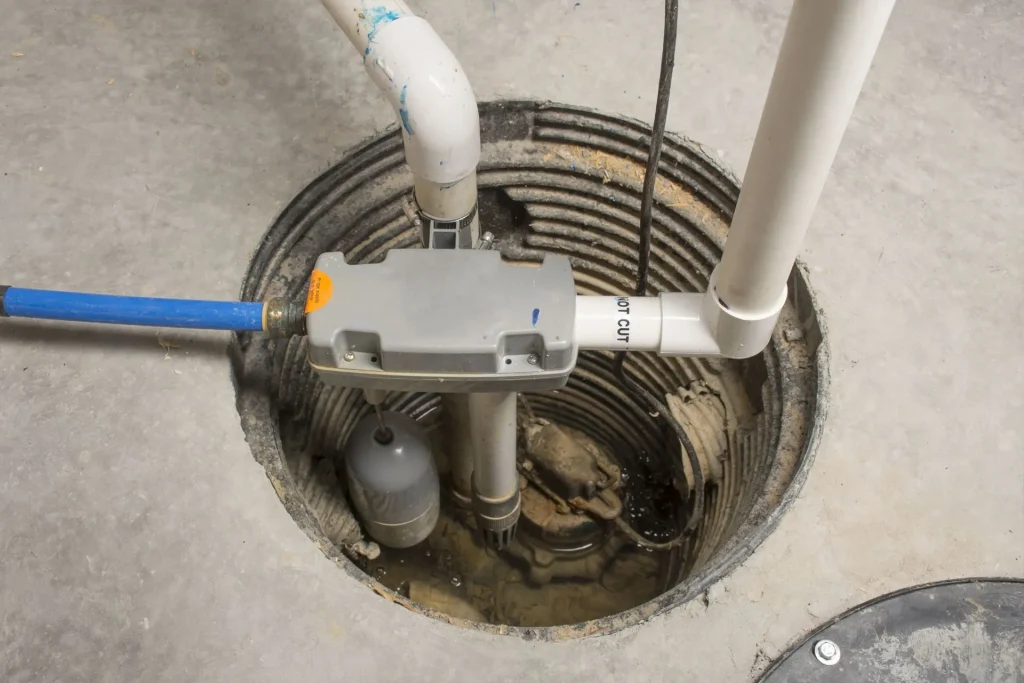
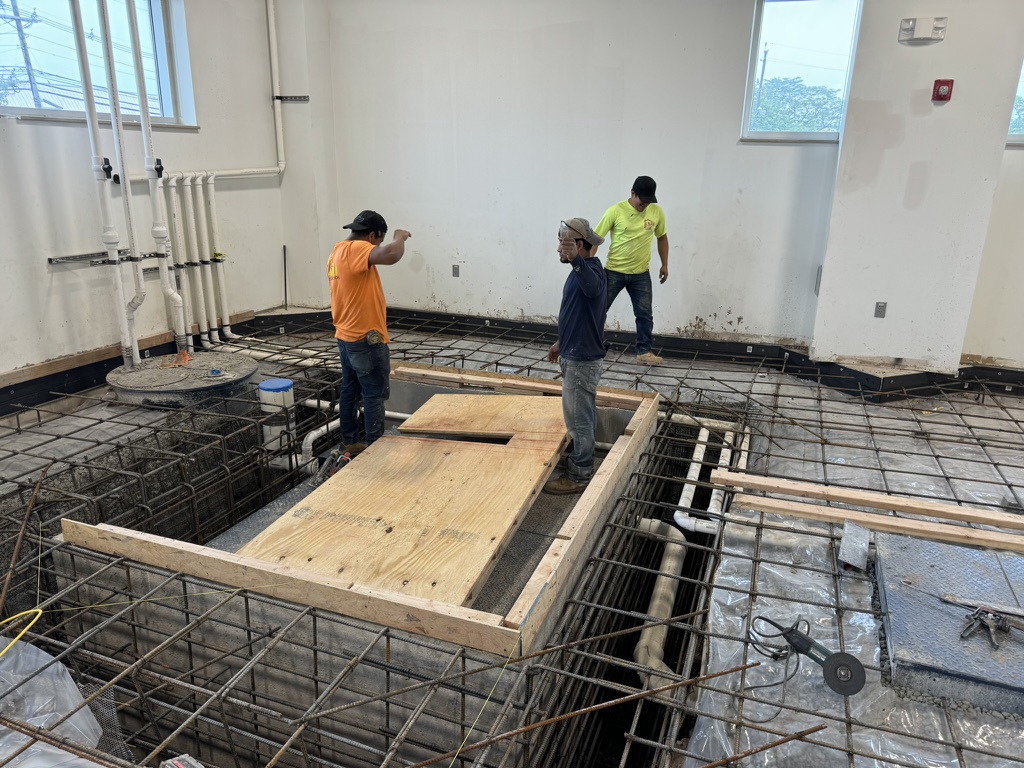
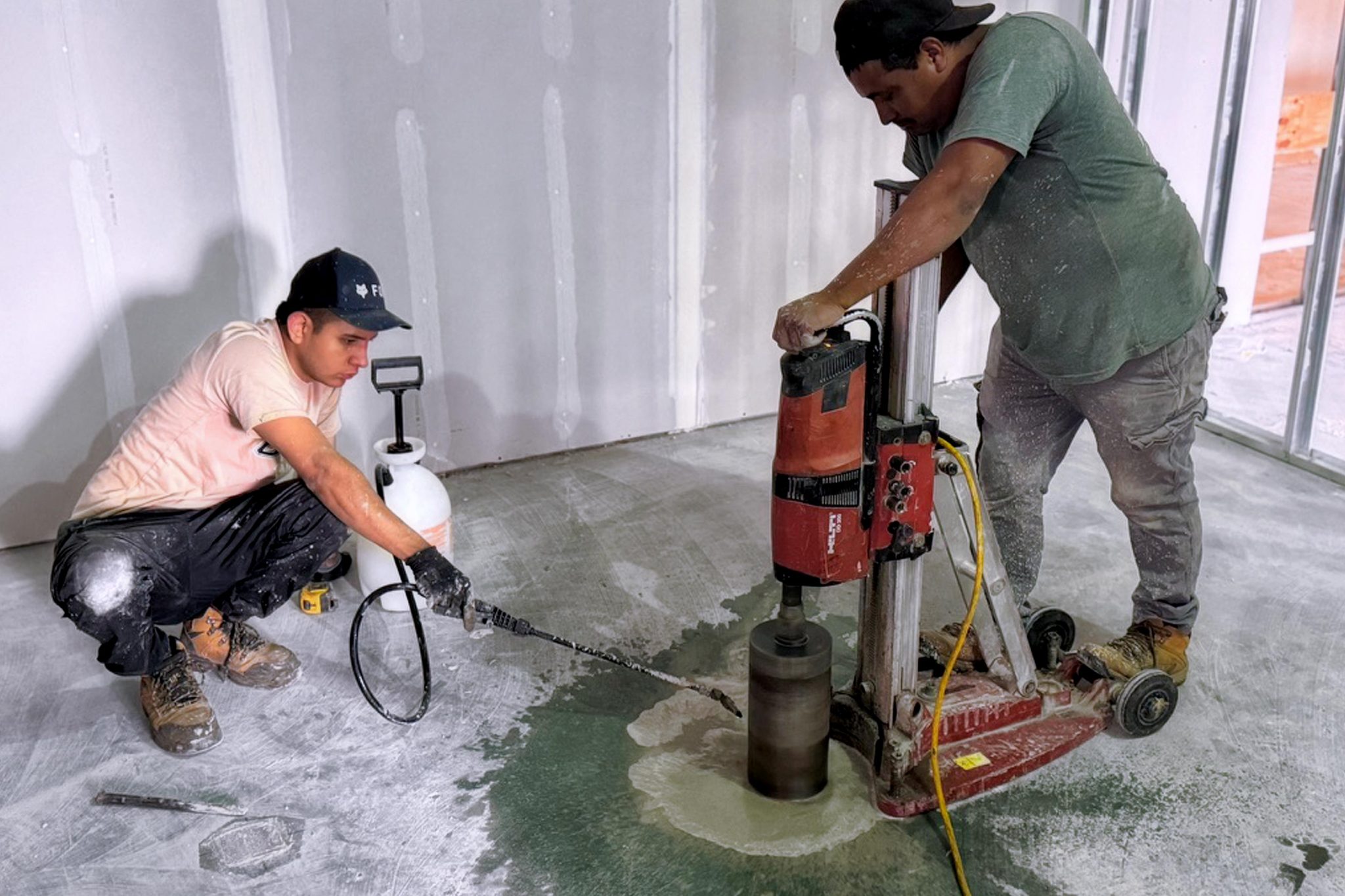
A typical setup includes a perimeter channel installed at the basement edge, a sump basin, a pump to discharge collected water away from the house, and often a wall vapor barrier or drainage membrane. The floor is opened around the perimeter, the system is installed below slab level, and the concrete is restored over it.
For unfinished basements, that installation is relatively straightforward. For finished basements, it often requires removing some lower wall sections and occasionally portions of flooring at the perimeter. The payoff is reliable water management without excavating the entire exterior.
Interior systems do not make exterior water disappear. They accept that water may reach the foundation and give it a controlled route out. That is why they are often paired with exterior drainage improvements above grade. If gutters are dumping beside the house, even a strong interior system is being asked to do more than necessary.
Sump pump quality matters more than many homeowners realize. A bargain pump in a busy pit can fail at exactly the wrong time. In New Jersey, where summer storms can knock out power, battery backup is not a luxury for many homes. It is basic risk management.
Exterior waterproofing and where it earns its cost
Exterior waterproofing attacks the problem at the source. The soil around the foundation is excavated, the wall is cleaned and repaired, a waterproof membrane or coating is applied, drainage board may be added, and footing drains are repaired or replaced if necessary. Proper backfill and grading complete the system.
This is usually the most comprehensive method, but it is also the most invasive and expensive. It can be the right solution when there is significant wall deterioration, chronic seepage through foundation walls, failed exterior drain tile, or major renovation work already underway outside. If a homeowner is replacing hardscape, correcting structural issues, or excavating for another reason, that can be the ideal moment to do exterior waterproofing properly.
For some finished basements, exterior work can preserve interior finishes better than a full interior drain installation. That is especially true when the leak source is localized and accessible from outside. A crack at one wall section, a failed window well, or a grading problem on one elevation can sometimes be addressed externally without opening much of the finished space.
The trade-off is access and cost. Excavating beside decks, porches, additions, HVAC equipment, and mature landscaping can become complicated quickly. On tight suburban lots, that complexity often pushes homeowners toward an interior system combined with exterior water management improvements.
Crack repair, coatings, and targeted fixes
Not every basement needs perimeter drainage. Sometimes the right answer is targeted repair.
A non-structural wall crack that leaks intermittently can often be sealed with polyurethane or epoxy injection, depending on the crack type and whether structural bonding is needed. This can be very effective when the crack is clearly the entry point and the rest of the basement shows no signs of broader water pressure issues.
Window wells are another common weak point. If they fill during storms because of clogged drains, poor grading, or low sill height, water can enter fast. Correcting the well, improving drainage, and sealing the surrounding area may solve the issue without larger waterproofing work.
Coatings have their place, but they are frequently oversold. A waterproof paint on the inside of a wall does not stop serious hydrostatic pressure. At best, it can reduce minor dampness or improve appearance after more meaningful water control is completed. Used alone on an actively leaking wall, it often fails. Paint peels, salts push through, and the homeowner ends up paying again.
That is the general pattern with shortcut solutions. They are attractive because they promise minimal disruption. Sometimes that promise is real. More often, it is incomplete.
Signs that the problem is bigger than it looks
The following warning signs usually suggest that basic patching will not be enough:
- Water appears in more than one area or moves around from storm to storm.
- The basement smells musty year-round, not just during humid summer weeks.
- Efflorescence, peeling paint, or staining extends along large sections of wall.
- Flooring in a finished basement feels cupped, soft, or discolored near the perimeter.
- The sump pump runs constantly, cycles too often, or there is no backup system in place.
Any one of these can justify a closer inspection. Two or three together usually point to a system-level issue rather than a single isolated defect.
Choosing materials wisely in a finished basement
Once a basement has had a water issue, material selection matters just as much as the waterproofing itself. I have seen homeowners spend thousands drying out a lower level and then rebuild it with paper-faced drywall, plush carpet, MDF baseboard, and low clearances that trap future moisture. That is asking for a repeat.
A more resilient finished basement often uses moisture-aware details. That may include rigid foam in the right assembly, mold-resistant drywall where appropriate, tile or luxury vinyl rather than broadloom carpet, PVC or composite trim in vulnerable areas, and small design choices that allow inspection at the perimeter. Sometimes even a slight gap behind trim or access near utility corners can help catch a future problem early.
This does not mean every finished basement has to look commercial or feel compromised. It means the design should respect the reality of being below grade. Basements are not first floors. They require a little humility in the material strategy.
The role of grading, gutters, and discharge lines
Some of the most cost-effective Basement Waterproofing NJ improvements happen outside and above grade. They are not glamorous, but they work.
If roof water is spilling over clogged gutters or discharging one foot from the foundation, that should be corrected before anyone talks about major interior demolition. If the soil beside the house has settled into a reverse slope, water will collect at the wall. If a sump line discharges too close to the foundation and recirculates, the pump may be fighting its own output.
I once looked at a basement where the owner had received a very expensive waterproofing estimate. The basement did have seepage, but the most immediate problem was simple: two downspouts had disconnected underground, and roof runoff was emptying next to the foundation every time it rained. That repair alone did not solve everything, but it dramatically reduced the water load and changed the scope of the final work.
Exterior drainage improvements are not always sufficient by themselves, especially with high groundwater. But they are almost always part of a good solution.
How to think about cost without getting misled
Waterproofing estimates vary widely because contractors may be proposing very different scopes. One company may quote a crack injection and dehumidifier. Another may quote a full perimeter drain, sump with battery backup, wall membrane, and partial finish removal. The higher price is not automatically inflated. It may reflect a more complete diagnosis.
The better way to compare proposals is to ask what source of water each contractor believes they are addressing. Surface runoff? Wall seepage? Footing water? Floor pressure? Humidity? If the answer is vague, that is a problem.
It also helps to separate immediate containment from long-term correction. If a finished basement is actively taking on water, you may need short-term drying, selective demolition, and mold prevention now, then a permanent waterproofing installation once the path of intrusion is fully confirmed. Homeowners sometimes resist that two-step approach because it feels slower, but it can prevent expensive guesswork.
Cheapest is often most expensive here. A few thousand dollars spent on an incomplete fix can easily lead to five figures in repeat flooring, drywall, and furniture loss.
Questions worth asking before hiring a contractor
A short conversation can reveal a lot about whether a contractor is diagnosing or simply selling. Focus on practical details such as these:
- Where do you believe the water is entering, and what evidence supports that?
- Are you recommending interior management, exterior exclusion, or a combination, and why?
- What finished materials, if any, need to be removed to do this properly?
- How will the system handle power outages, pump failure, or discharge freezing?
- What parts of the repair are maintainable, serviceable, or likely to need future attention?
Strong contractors can answer clearly, without rushing or hiding behind generic promises.
Finished versus unfinished, the best option is not always the most aggressive one
For an unfinished basement used mainly for storage and mechanicals, a practical interior drainage system with a quality sump and dehumidification may be the best investment. It protects the structure, keeps the space usable, and does not waste money on cosmetic perfection.
For a finished basement that functions as everyday living space, the threshold for protection should be higher. Homeowners usually benefit from a system designed with redundancy, predictable drainage, and materials chosen for below-grade conditions. In some homes that means an interior perimeter solution. In others it means targeted exterior work or a hybrid approach.
There are also middle cases. A partially finished basement with one problem wall may be best served by localized exterior correction plus selective interior repair. A newer home with minor seasonal humidity may need air sealing and dehumidification rather than excavation or slab cutting. Good waterproofing work starts with restraint as much as action.
When it is time to act
Basement water problems rarely improve on their own. They may seem to disappear during dry months, then return with a stronger storm, a clogged gutter, or a rising water table. Every season of delay gives moisture more time to affect framing, finishes, indoor air quality, and stored belongings.
If the basement is unfinished, this is usually the best time to deal with it, before the space is renovated. Waterproof first, then finish with confidence. If the basement is already finished, act before a minor issue becomes a full tear-out. A faint odor, one damp baseboard, or a thin line of efflorescence is often the quiet first chapter of a larger repair story.
The right Basement Waterproofing NJ plan should fit the home, the water source, and the way the basement is actually used. That is what separates a real solution from a temporary patch. Dry basements are not created by luck. They come from matching the repair method to the building, the site, and the kind of water problem you truly have.
ARD Waterproofing
Address: 98 Smull Ave, West Caldwell, NJ 07006
Phone number: +12016465936
FAQ About Basement Waterproofing NJ
What is the best waterproofing method for a basement?
The best overall approach to waterproofing a basement is a combined exterior and interior system that stops water at the foundation wall and safely manages any moisture that gets through.
What is the average cost to waterproof a basement?
The average cost to waterproof a basement ranges from $2,500 to $15,000, with most homeowners paying around $5,200 for a complete project.
Can a basement be waterproofed from the inside?
Yes, a basement can be waterproofed from the inside, and it is often the most affordable and least disruptive method.